Exercise during Pregnancy

Move smart, move safe – every step supports your baby.


The Pill — What Every Woman Deserves to Know

Clear, honest answers about oral contraceptive pills — written for you, not for a textbook.

Being pregnant does not mean you have to “sit quietly” for nine months. In most healthy pregnancies, gentle, regular movement is one of the best gifts you can give yourself and your baby

The Basics

Why moving your body helps

Regular, safe exercise in pregnancy can;

  • Help you sleep better and feel calmer
  • Reduce back pain, swelling and constipation
  • Keep weight gain in a healthy range
  • Lower the chance of problems with blood pressure or sugar levels
  • Make your muscles stronger for childbirth
  • Help you recover faster once the baby is born

How much exercise do I need?

Experts recommend about 150 minutes of moderate exercise each week. That means about 30 minutes on most days, at least 5 days per week.

“Moderate” means:

  • Your heart beats faster
  • You feel warm
  • You can still talk full sentences, but not sing

If you were not active before pregnancy:

  • Start with 10–15 minutes, 3 times a week, and increase slowly to 30 minutes a day if you feel comfortable.

If you have already exercised before:

  • You can often continue, but you may need to slow down and make changes as your baby bump grows. Always follow your doctor’s advice.

Try to stay active daily – 30 minutes of walking each day can be sufficient, but if you cannot manage that, any amount is better than none.

How It Works

Good, safe ways to be active

Choose activities that feel gentle, smooth, and steady, for example:

  • Brisk walking – in your lane, around the temple grounds, at the beach, or in a park
  • Swimming or walking in water – cools you down and is easy on joints
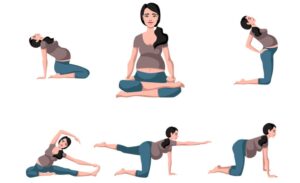
  • Simple home exercises – marching on the spot, gentle leg and arm movements
  • Pregnancy exercise or yoga classes run by a trained instructor
  • Daily life movement – climbing stairs, light housework, walking to the nearby shop instead of taking a vehicle

Tips for hot weather:

  • Prefer early morning or late evening when it is cooler
  • Wear loose, light clothes and a good supportive bra
  • Drink plenty of clean water before, during, and after exercise
Activities to avoid

Some activities can hurt you or your baby and are not advised in pregnancy:

  • Sports where you can be hit in the belly (for example, football, basketball, martial arts)
  • Activities with high risk of falling (gymnastics, horse riding, skiing)
  • Do not go Scuba diving, because the baby has no protection against decompression sickness and gas embolism (gas bubbles in the bloodstream)
  • Exercise in very hot rooms (such as hot yoga) or out in strong midday sun
  • Heavy lifting or exercises that make you strain and hold your breath
  • After 16 weeks, avoid exercises that make you lie flat on your back for a long time, because the weight of your bump presses on the main blood vessel bringing blood back to your heart, and this can make you feel faint


Types of Pill

When should you talk to your doctor before exercising?

Always check with your doctor before starting or changing an exercise plan if:

  • You have heart or lung problems
  • You have very high blood pressure
  • You have bleeding or “water leaking” in this pregnancy
  • You are carrying more than one baby and have been told you are at risk of early labour
  • The place where the placenta (after birth) is attached to your womb (placenta) is lying very low (Placenta Previa)
  • Your doctor has told you to rest more or has called your pregnancy “high-risk.”

If your doctor has advised no exercise, follow that advice.

💡 Stop exercising and get help straight away if you notice:

Stop at once and go to the nearest maternity unit or call your doctor if, while exercising, you notice any of the following:

  • Bleeding from the vagina
  • Water leaking from the vagina
  • Strong belly pain or regular tightening like labour pains
  • Chest pain or feeling that you cannot catch your breath
  • Feeling faint, dizzy, or very weak
  • Sudden, severe headache or problems with vision
  • Pain, swelling, or redness in your calf (back of lower leg)
  • Your baby is moving much less than usual

Do not restart exercise until you have been checked and cleared by a doctor.

Effectiveness

Simple steps to keep it safe

  • Warm up for 5–10 minutes with slow walking or gentle movements
  • Cool down after exercise with slow walking and light stretching
  • Eat healthy meals and snacks during the day – do not exercise when very hungry or just after a very heavy meal
  • Wear comfortable shoes that do not slip
  • Listen to your body: if something hurts or feels wrong, slow down or stop

Unless your doctor has told you not to exercise, gentle movement in pregnancy is safe, healthy, and strongly encouraged. You do not need a gym membership or special equipment. A simple daily walk, some easy home exercises, and regular stretching can make a big difference to your comfort, your mood, and your strength for birth and motherhood!

Getting Started

breathing exercises

NHS

Belly wall-strengthening exercises

As your baby grows, you may notice that the hollow in your lower back increases, which can cause a backache. These exercises strengthen the belly (abdominal) muscles and may ease backache, which can be a problem in pregnancy:

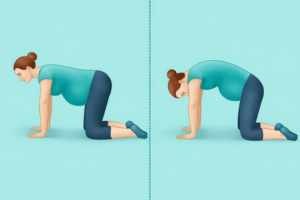
  • Start in a box position (on all 4s) with knees under hips, hands under shoulders, with fingers facing forward, and abdominals lifted to keep your back straight
  • Pull in your belly muscles and raise your back towards the ceiling, curling your trunk and allowing your head to relax gently forward. Do not let your elbows lock
  • Hold for a few seconds, then slowly return to the box position
  • Take care not to hollow your back: it should always return to a straight/neutral position
  • Do this slowly and rhythmically 10 times, making your muscles work hard and moving your back carefully
  • Only move your back as far as you can comfortably
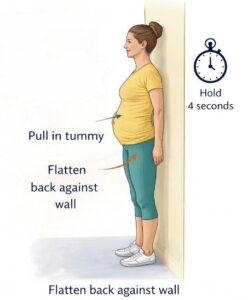
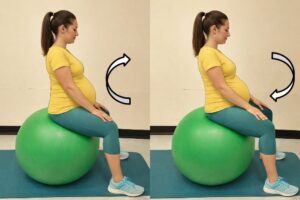
Pelvic tilt exercises

  • stand with your shoulders and bottom against a wall
  • keep your knees soft
  • pull your belly button towards your spine, so that your back flattens against the wall: hold for 4 seconds, then release
  • repeat up to 10 times

Missed Pills

Pelvic floor exercises

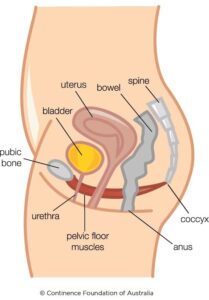
Pelvic floor exercises help to strengthen the muscles of the pelvic floor, which come under great strain in pregnancy and childbirth. The pelvic floor consists of layers of muscles that stretch like a supportive hammock from the pubic bone (in front) to the end of the backbone (spine).

If your pelvic floor muscles are weak, you may find that you leak urine when you cough, sneeze, or strain. This is quite common, and there is no reason to feel embarrassed. It’s known as stress incontinence, and it can continue after pregnancy. Once the pregnancy is over, there are many treatment options

You can strengthen these muscles by doing pelvic floor exercises. This helps to reduce or avoid stress incontinence after pregnancy. All pregnant women should do pelvic floor exercises, even if they’re young and not suffering from stress incontinence now. 


How to do pelvic floor exercises:
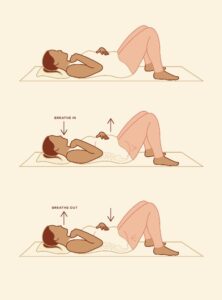
  • make yourself comfortable by sitting or lying down with your knees bent
  • Squeeze in and tighten the muscles around your back passage as if you were trying to stop yourself from peeing and farting, then relax the muscles
  • breathe normally while doing pelvic floor exercises
  • At first, try to do this exercise quickly
  • then do it slowly, holding the squeezes for as long as you can before you relax: try to count to 10
  • Try to do 3 sets of 8 squeezes every day: to help you remember, you could do a set at each meal

As well as these exercises, practice tightening the pelvic floor muscles before and during coughing and sneezing.
⚠ When in doubt

If you are unsure what to do after missing pills, call NHS 111, speak to your pharmacist, or check the patient information leaflet that came with your pills. Emergency contraception may be needed.

What if I vomit or have bad diarrhoea after taking my pill?

If you vomit within 2 hours of taking the combined pill, your body may not have absorbed it properly — treat it as a missed pill and take another one. If vomiting or severe diarrhoea continues for more than 24 hours, treat the situation as if you had missed a pill for each day of illness and use extra contraception. The same guidance applies to the progestogen-only pill.

Sources & References

This leaflet is based on guidance from the National Institute for Health and Care Excellence (NICE), the Royal College of Obstetricians and Gynaecologists (RCOG), and the NHS.

It is intended as general information and does not replace personalised medical advice.

Last reviewed April 2026 · Always speak to a qualified healthcare professional before starting, changing, or stopping contraception · NHS.uk · NICE.org.uk · RCOG.org.uk