
Healthy pressure for a happier outcome.
Clear, honest answers about oral contraceptive pills — written for you, not for a textbook.
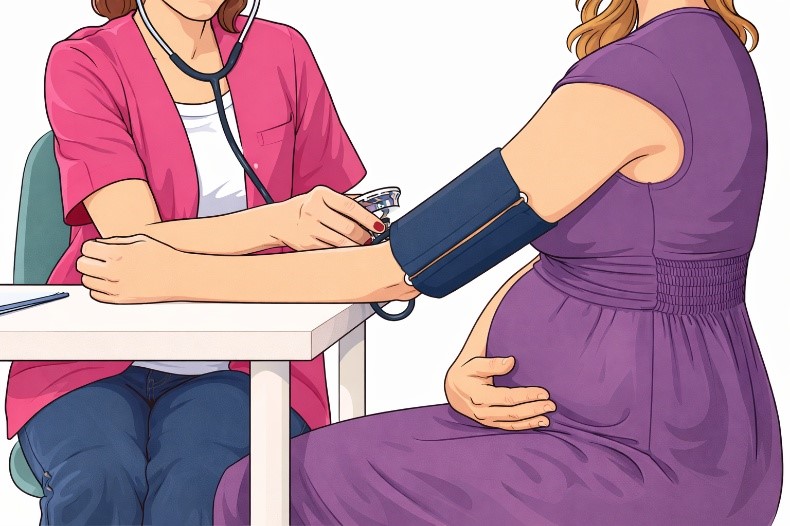
High blood pressure (also called hypertension) is common in pregnancy. Most of the time, it causes no symptoms at all. You may feel perfectly well, but your blood pressure could be quietly rising. That’s why your blood pressure is checked at every antenatal clinic visit. These simple checks protect both you and your baby.
The good news? With proper monitoring and care, most women with high blood pressure have healthy pregnancies and healthy babies.
Blood pressure is the force of blood pushing against your blood vessels.
In pregnancy:
Even if you feel completely fine, these numbers matter.
This means you already had high blood pressure before pregnancy, or it was diagnosed early in pregnancy. If so, for a safe pregnancy, you may need to adjust your medication, monitor closely, and be reviewed by a specialist.
It describes high blood pressure that develops for the first time after 20 weeks of pregnancy. This type of high blood pressure usually settles after the baby is born.
If you are taking medication for high blood pressure and are planning a pregnancy, speak to your doctor before trying to conceive. Some medicines may need to be changed to safer alternatives prior to pregnancy. If you discover that you are already pregnant, inform your doctor as soon as possible. Your medication may need to be reviewed or adjusted promptly.
This is important because certain blood pressure medicines are not recommended during pregnancy. Some can reduce blood flow to the afterbirth (placenta) or affect your baby’s development. Your healthcare provider will ensure you are on the safest and most appropriate treatment.
Do not stop medication on your own — your doctor will guide you safely.
Close monitoring during pregnancy is essential to ensure that raised blood pressure is not affecting your baby’s growth and to screen for conditions such as pre-eclampsia, as mentioned below. It is therefore important to attend all scheduled antenatal clinic visits/appointments.
At each visit, your healthcare team will check your blood pressure and, if necessary, will test your urine for protein.
In early pregnancy, blood pressure often falls naturally. As a result, some women may require a lower dose of medication or may temporarily stop treatment. However, any medication change should only be made after careful discussion with your doctor.
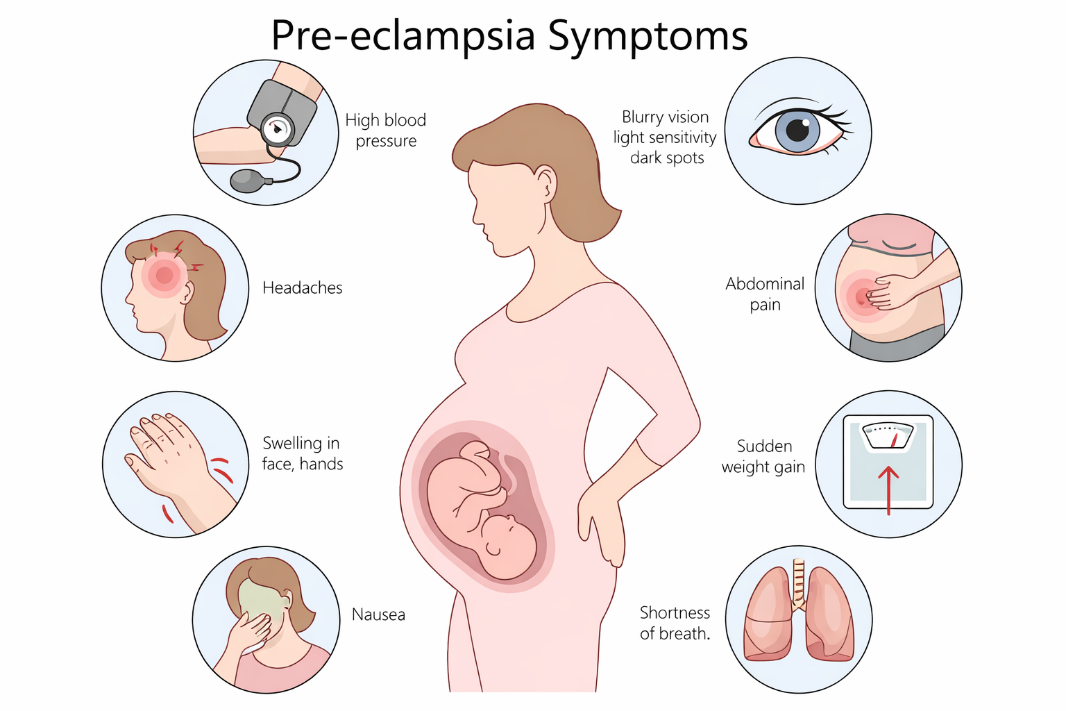
Pre-eclampsia is a condition that affects some pregnant women, usually after 20 weeks of pregnancy. It is linked to the afterbirth (placenta) and usually causes raised blood pressure. It can also affect important organs such as your kidneys, liver, and brain. If not recognized and treated early, pre-eclampsia can become serious for both mother and baby.
You may be at higher risk if:
Because high blood pressure often causes no symptoms, you may feel completely well. This is why regular antenatal check-ups are essential, so your blood pressure and urine can be tested and any problems detected early.
Contact your doctor or go to the hospital urgently if you experience symptoms of pre-eclampsia, such as,
Trust your instincts — if something feels wrong, seek medical advice.
Staying active during pregnancy can help support healthy blood pressure. Gentle daily activities such as walking or swimming are usually safe and beneficial for most women. Always check with your doctor before starting or changing an exercise routine. For practical guidance on safe and effective exercise during pregnancy, visit (backlink…………)
Eating a healthy, balanced diet – including plenty of fruits, vegetables, whole grains, and lean proteins – can also help maintain stable blood pressure levels. For simple guidance on what to eat — and what to avoid — to support a healthy pregnancy, visit (backlink……..)
At present, there is not enough strong evidence to show that dietary supplements such as magnesium, folic acid, or fish oils prevent high blood pressure in pregnancy. Always discuss any supplements with your doctor before taking them.
If you have high blood pressure during pregnancy, your doctor will discuss how this may influence your birth plan, including whether delivery might need to happen earlier than expected.
During labour,
If your blood pressure becomes severely elevated, it will be monitored more frequently — often every 15 to 30 minutes. In some situations, your medical team may recommend assisted delivery (using forceps or ventouse) or a caesarean section to ensure the safety of both you and your baby.
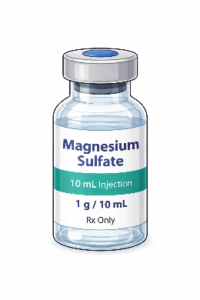
If pre-eclampsia develops, you will be monitored very closely in the hospital to protect both you and your baby. Treatment usually includes medication to control blood pressure, and magnesium sulfate may be given through a drip to reduce the risk of seizures.
Because pre-eclampsia is caused by problems with the afterbirth (placenta), the only definitive treatment is delivery of the baby. If the condition becomes moderate or severe, your doctor may recommend bringing on labour earlier than planned or delivering the baby by caesarean section, and the timing and method of birth will depend on how unwell you are and how far along the pregnancy is. Most women and babies do well with timely treatment and delivery.
After delivery, your blood pressure will continue to be monitored to ensure it returns to a safe range. You will usually have:
Some women can stop medication. Others may need ongoing treatment. Having high blood pressure in pregnancy can also be an early sign of future heart health risk — thus follow-up is important.
In most cases, yes.
Most blood pressure medicines are considered safe to take while breastfeeding. Although some blood pressure medicines can pass into breast milk, the amounts are usually very small and unlikely to harm your baby. If needed, your doctor can adjust your medication to ensure it is suitable during breastfeeding.
💡The bottom line
High blood pressure in pregnancy is often silent — but never insignificant.
With regular checks, the right treatment, and close follow-up, most women go on to have safe pregnancies and healthy babies.
Stay informed. Stay monitored. Stay protected.
Sources & References
This leaflet is based on guidance from the National Institute for Health and Care Excellence (NICE), the Royal College of Obstetricians and Gynaecologists (RCOG), and the NHS.
It is intended as general information and does not replace personalised medical advice.
Last reviewed April 2026 · Always speak to a qualified healthcare professional before starting, changing, or stopping contraception · NHS.uk · NICE.org.uk · RCOG.org.uk