Take charge of your hormones, take charge of your life.
Clear, honest answers about oral contraceptive pills — written for you, not for a textbook.
Polycystic Ovarian Syndrome, also known as PCOS, is a common hormonal condition seen in many women, especially in Sri Lanka. It happens when the body makes certain hormones in an unbalanced way. This can affect your monthly cycle, cause unwanted hair growth or acne, make it harder to lose weight, and sometimes make it difficult to get pregnant. Even though the name sounds worrying, PCOS is a condition that can be managed very well with the right lifestyle changes and medical support. Many women with PCOS live healthy, active lives and go on to have normal pregnancies.
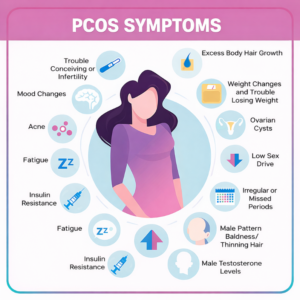
Seek medical advice if you have one or more of the following symptoms, which may suggest underlying PCOS;
or any of the following symptoms,

PCOS is diagnosed based on a combination of symptoms, blood tests, and an ultrasound scan. Not every woman will have the same pattern – so listen to your doctor, before your neighbor!
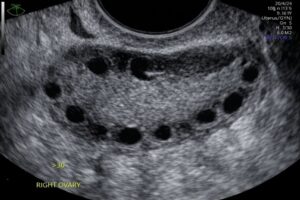
PCOS is diagnosed if you have two of the following three features (after excluding other causes):

One of the most important parts of managing PCOS is healthy lifestyle habits. Regular exercise and balanced meals help the body use sugar better and improve hormone balance. Losing even a small amount of weight—about 5% of your body weight—can help bring back regular periods and improve chances of pregnancy. Exercise does not need to be intense; brisk walking, swimming, or simple home routines are enough if done consistently.
Eating regular meals without skipping, reducing sugary drinks, choosing whole grains, and following a simple ‘plate method’ can make a big difference.
Some women may also need medication. Doctors may prescribe oral contraceptive pills to regulate your cycles or help with symptoms like acne or unwanted hair growth.
PCOS is not only about periods and fertility; if not managed well, it can also increase the risk of long-term problems such as:
This is why regular follow-up with your doctor is important, even when your symptoms seem mild. Early care helps prevent these problems and supports your overall health.
If you have PCOS and are thinking about becoming pregnant, it is helpful to meet with your doctor early.
Your doctor may advise weight optimization first and choose different medicines that are safe for fertility. For women who have difficulty getting pregnant, treatments such as ovulation-inducing tablets, such as letrozole, may be recommended.
Metformin is sometimes used to improve sugar handling in the body, especially when there are signs of insulin resistance, but your doctor will decide whether it is right for you. Early medical advice improves success and safety.
With early antenatal care and good planning, most women with PCOS enjoy safe and succesful pregnancies.
PCOS can feel overwhelming, but you are not alone. With the right support, healthy habits, and regular medical care, you can keep your symptoms under control and protect your long-term wellbeing.
💡 Stop exercising and get help straight away if you notice:
Stop at once and go to the nearest maternity unit or call your doctor if, while exercising, you notice any of the following:
Do not restart exercise until you have been checked and cleared by a doctor.
Sources & References
This leaflet is based on guidance from the National Institute for Health and Care Excellence (NICE), the Royal College of Obstetricians and Gynaecologists (RCOG), and the NHS.
It is intended as general information and does not replace personalised medical advice.
Last reviewed April 2026 · Always speak to a qualified healthcare professional before starting, changing, or stopping contraception · NHS.uk · NICE.org.uk · RCOG.org.uk