
Diabetes in Pregnancy

Keep your sugars low – let your baby glow.


The Pill — What Every Woman Deserves to Know

Clear, honest answers about oral contraceptive pills — written for you, not for a textbook.

Diabetes in pregnancy means having higher-than-normal sugar levels while you are pregnant. There are two main types we see. The first is chronic diabetes, which means you already had diabetes before this pregnancy. This includes type 1 diabetes, where your body does not make enough insulin, and type 2 diabetes, where the body does not use insulin properly. The second type is gestational diabetes, which is diabetes that is first diagnosed during pregnancy. This happens when the pregnancy hormones make it harder for your body to control sugar levels. Since Sri Lankan women are more likely to develop diabetes than in many other countries, sugar testing is routinely done for all pregnant women during their antenatal visits, on two mandatory occasions: at the very first visit to the VOG/midwife (booking visit) and again at around 26-28 weeks.

The Basics

Why is good sugar control important during pregnancy?

Having diabetes during pregnancy can affect both the mother and baby. Poorly controlled sugars can increase the chance of high blood pressure, large babies, preterm birth, difficult labour, and the need for Caesarean section. For the baby, it may lead to low blood sugar after birth, breathing problems, or the baby growing too big or too small. Because of these risks, regular monitoring and correct treatment are extremely important.

What should I do if I already have diabetes and become pregnant?

If you already have diabetes and become pregnant while taking tablets other than metformin, you must seek urgent medical advice. Many commonly used diabetes medications—such as sulfonylureas (like gliclazide or glibenclamide), DPP-4 inhibitors (like sitagliptin or linagliptin) – are not recommended during pregnancy. You may need to switch to metformin, and if that alone does not control your sugars, your doctor may start insulin, which is safe and widely used in pregnancy. Never stop or change your medicine on your own. Chronic diabetes may also worsen existing eye problems, so women with long-standing diabetes should have their eyes checked during pregnancy. Your doctor will also check your kidneys, blood pressure, and overall health to ensure you are ready to continue the pregnancy safely.

How It Works

If you are planning a pregnancy and already know you have diabetes,

Seeing your doctor before conceiving is the safest approach. This gives time to adjust medicines, check for complications, and make sure your sugar levels are well controlled before you become pregnant.

If you are diagnosed with diabetes for the first time during pregnancy,

This is called gestational diabetes. In the early stages, many women can manage it with lifestyle changes. This includes eating balanced meals, following a healthy ‘plate method’, choosing slow-energy foods, and staying physically active. Exercise is one of the strongest tools for controlling sugar levels, as long as you follow safe pregnancy exercise guidelines. Having diabetes does not mean you should skip meals or do “dieting.” This is unsafe for pregnancy. Instead, you should eat regular meals with controlled portions, include protein at each meal, and avoid sugary drinks and deep-fried foods. For more information on eating in pregnancy, visit……………..

What medications are safe for diabetes in pregnancy?

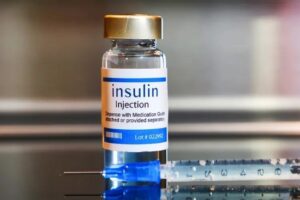
If lifestyle changes are not enough, or if your sugar levels are very high at diagnosis, your doctor may start metformin or insulin. These are the only medications considered safe for pregnancy.

Metformin is commonly used in pregnancy worldwide and is considered safe for most women. It works by helping your body use sugar better and by reducing how much sugar your liver releases. Some mothers may experience mild stomach upset when starting it; taking it with food usually helps. If metformin does not control the sugars properly, insulin will be added, as it is the most effective and safest medication for controlling high sugars during pregnancy.
What is low blood sugar (hypoglycemia)?

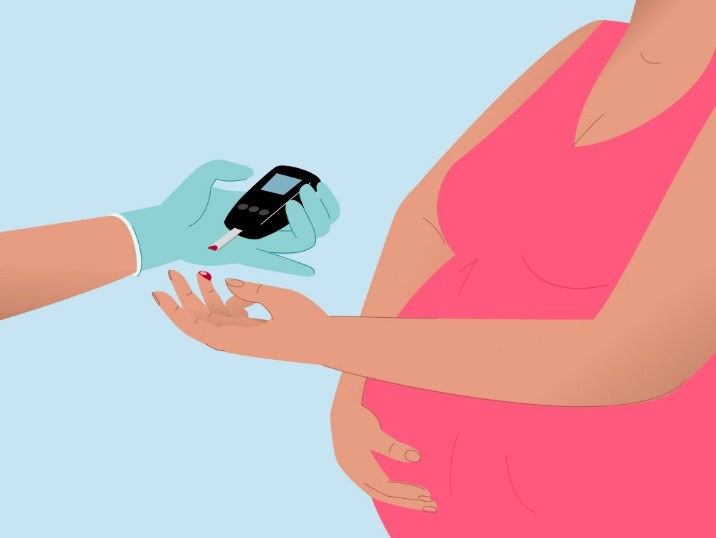
Every woman with diabetes—whether long-standing or newly diagnosed—must know how to recognize low blood sugar (hypoglycemia). This can happen especially if you are using insulin. Warning signs include shakiness, sweating, fast heartbeat, sudden hunger, dizziness, headache, or feeling confused. If this happens, take a quick sugar source immediately, such as glucose, a spoonful of sugar, or a sweet drink. Rest for 10–15 minutes and check if you feel better. If symptoms do not improve, if you faint, or if you feel very unwell, seek urgent medical help without delay.

What happens after delivery?

Blood sugar levels often improve after birth in gestational diabetes, but follow-up testing, as recommended by your doctor, is important. If you have gestational diabetes, you have a higher future risk of type 2 diabetes and should maintain a healthy lifestyle long term to prevent chronic diabetes.

Can women with diabetes have healthy pregnancies and healthy babies?

Absolutely, YES! Good sugar control comes from a combination of correct medication, close monitoring, healthy eating, and regular, safe exercise. Pregnancy with diabetes requires careful planning and close follow-up, but with the right care, most women have healthy pregnancies and healthy babies.

Careful control today protects both you and your baby for the future.

Sources & References

This leaflet is based on guidance from the National Institute for Health and Care Excellence (NICE), the Royal College of Obstetricians and Gynaecologists (RCOG), and the NHS.

It is intended as general information and does not replace personalised medical advice.

Last reviewed April 2026 · Always speak to a qualified healthcare professional before starting, changing, or stopping contraception · NHS.uk · NICE.org.uk · RCOG.org.uk